Architecture
This diagram illustrates the relationships between VMs, Protected Domains, and DRVAs.
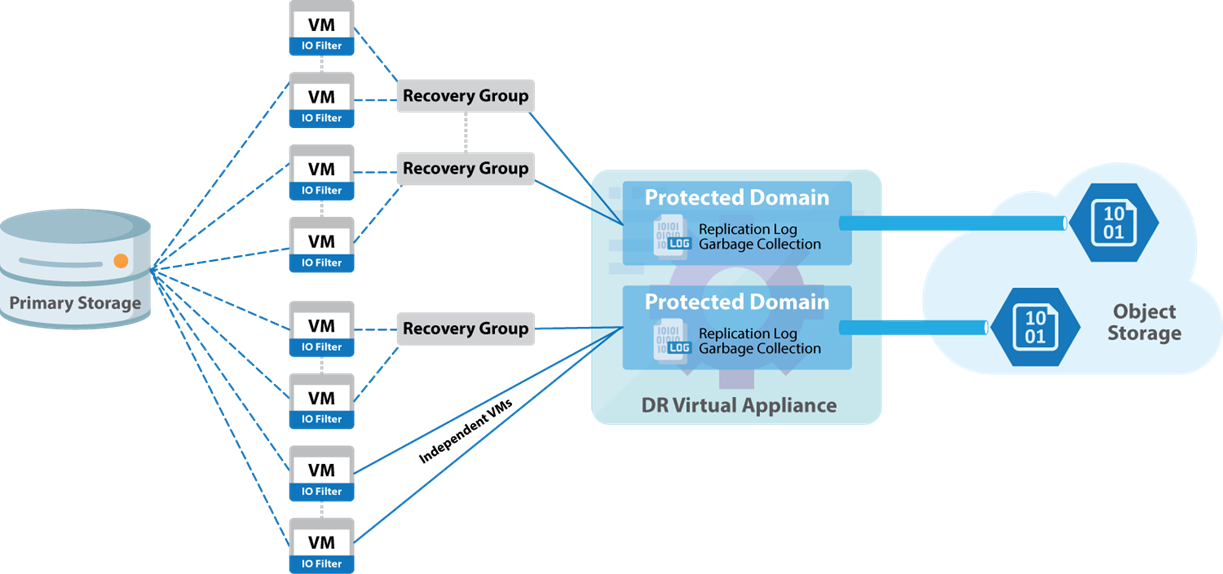
Figure 6: Relationship of JetStream DR elements.
As previously noted, each protected VM has an IOFilter attached to it to capture data as it is written to primary storage. Groups of VMs can be protected together in a single Protected Domain.
Multiple Protected Domains, each with their own replication log (for replication log and garbage collection metadata) can be maintained under a single DRVA. Each Protected Domain replicates all its data to a discrete bucket in the object store.
When configuring VM protection, the administrator may choose to protect VMs within the same Protected Domain or to protect them using multiple separate Protected Domains. For example:
- The Domain is the most granular level of protection. When a Domain is failed over, all the VMs contained within it will be failed over as part of the same operation. If a single VM belonging to a Domain must be failed over, all the other VMs in the same Domain will also be failed over together with it. If it is necessary to be able to failover a single VM by itself, the VM should be assigned to its own unique Domain.
- Applications with large amounts of data may be best protected in a single-VM Domain for performance reasons.
- Certain applications and databases may need to be protected together. In this case, all the nodes of the application cluster should be protected in the same Domain. When the Domain is failed over, the nodes will be recovered with consistency in a single action and a runbook can be applied to control the start up sequence and properties of the application's VMs.
- Each Protected Domain has its own replication log. Multiple replication logs can share the same LUN or replication log volume. If Domain replication log requirements change, JetStream DR can automatically re-allocate space in the replication log store to maintain optimal performance and efficiency.