Replication Channel (Network Performance)
JetStream DR is designed to gracefully handle replication performance issues related to the outgoing channel of protected VMs becoming slow or temporarily unavailable, or protected VMs from generating excessive network traffic. Under normal circumstances JSDR applies minimal delay to ongoing IO and replicates data without incurring additional writes to the replication log. If the incoming data rate exceeds the outgoing bandwidth, JSDR begins populating the replication log with the expectation that data can be replicated after the usage spike on the protected VM comes down.
- If the incoming data rate in unusually large or the replication log of the Domain is close to 100% capacity, some write throttling may be applied to the incoming data stream to slow it down. If backpressure parameters are exceeded, JSDR will switch to a bitmap protocol mode allowing the protected VM usage spike to fade off while minimally loading the outgoing replication channel. Network bandwidth problems are not exposed to JSDR and it does not have the ability to anticipate the expected duration of such events. JSDR will periodically exit bitmap mode and resume normal replication to validate the current state of network performance and it will switch back to bitmap mode, if necessary.
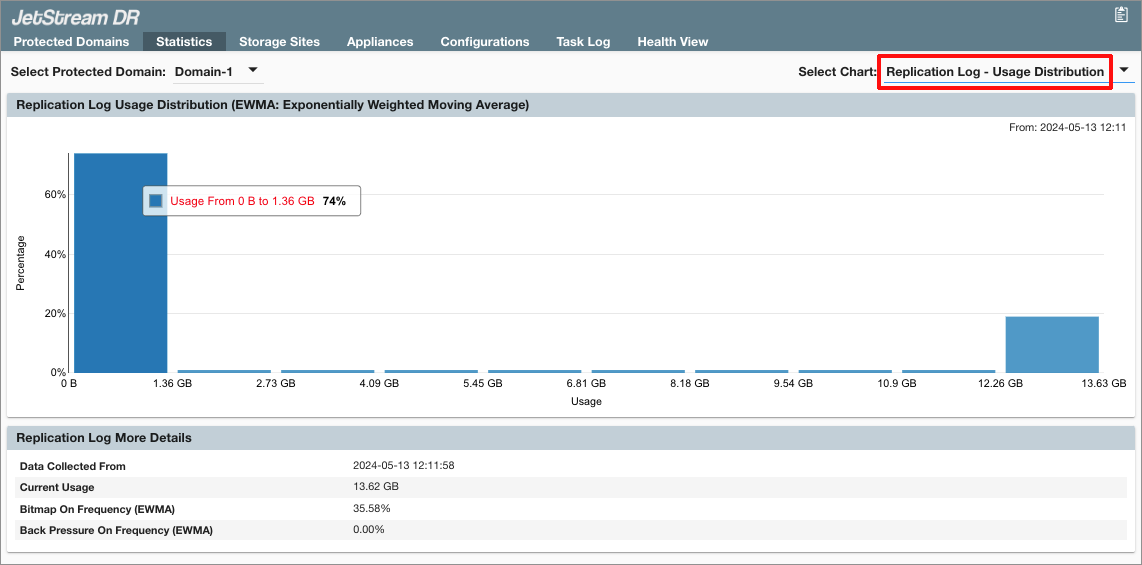
Figure 331: Example: Usage distribution of a Domain with its replication log at full capacity.
- The Incoming & Outgoing Data Rate from the Statistics screen shows time spans when the Domain was running in bitmap mode. To highlight periods on the graph when bitmap mode was engaged, click the Bitmap circle icon at the top of the chart.
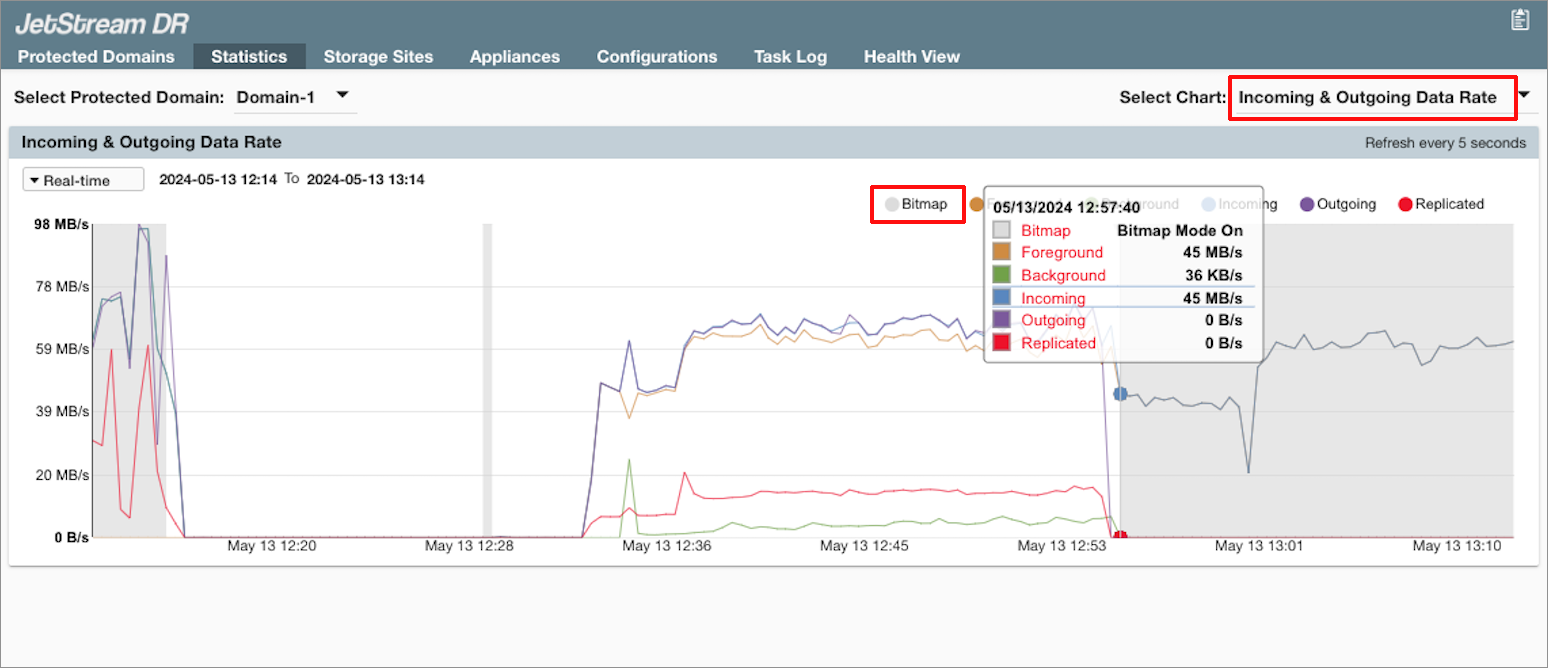
Figure 332: Graph showing when bitmap mode was engaged.
- The actual number of operations delayed due to write throttling are displayed on the Backpressure report.
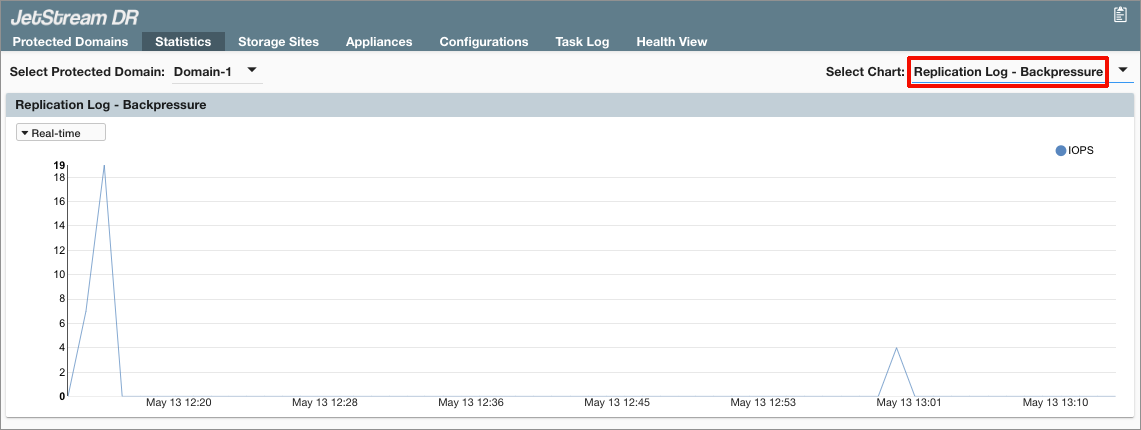
Figure 333: Graph showing number of operations delayed by backpressure.
- The PUT Object Latency report provides insight allowing performance of the outgoing replication channel to be analyzed.
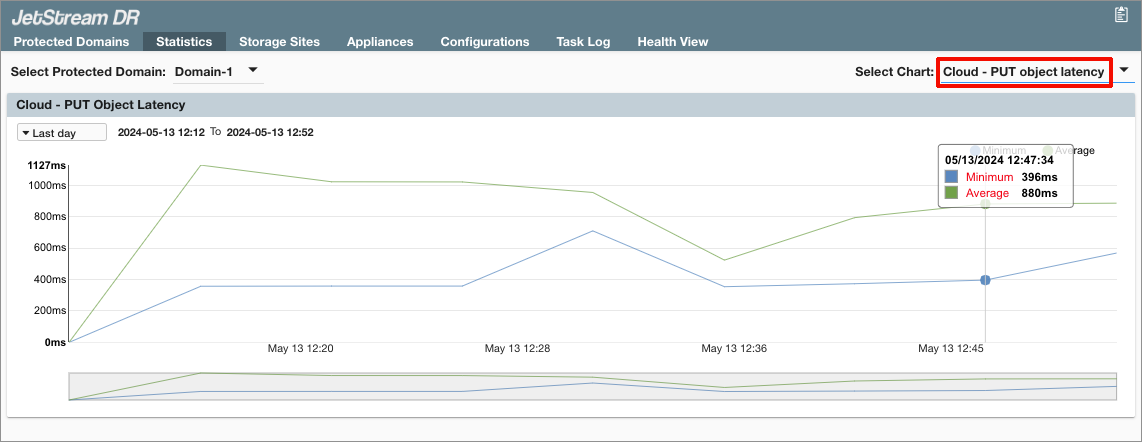
Figure 334: Analyzing performance of outgoing replication channel.